Common Questions a Funeral Director Gets Asked

When families search for funeral homes Warner Robins, GA, they are often carrying more questions than they expected. We know that a first conversation with a funeral director can feel overwhelming, especially when decisions need to be made during a difficult week. The good news is that most concerns are common, practical, and easier to talk through than many people fear. Once we know what questions are normal to ask, we can move forward with more confidence and much less stress.
That is why we encourage families to start with honest questions, not rushed assumptions. In those early conversations, McCullough Funeral Home helps us focus on what matters most: understanding the next steps, honoring a life well, and giving loved ones steady support. A clear answer at the right moment can bring real relief, especially when emotions are high and time feels uncertain.
What Does a Funeral Director Handle?
One of the first questions we hear is what a funeral director actually handles. The answer is broader than many people expect. We help people slow down, sort priorities, and avoid feeling lost in a stream of unfamiliar details. A funeral director coordinates details, explains options, helps with documentation, organizes the service, and keeps the process moving with care. We are also often asked who needs to be contacted first and what should happen before arrangements begin. In most cases, families simply need a calm point person who can explain the order of events and reduce uncertainty.
What Should We Bring to the Meeting?
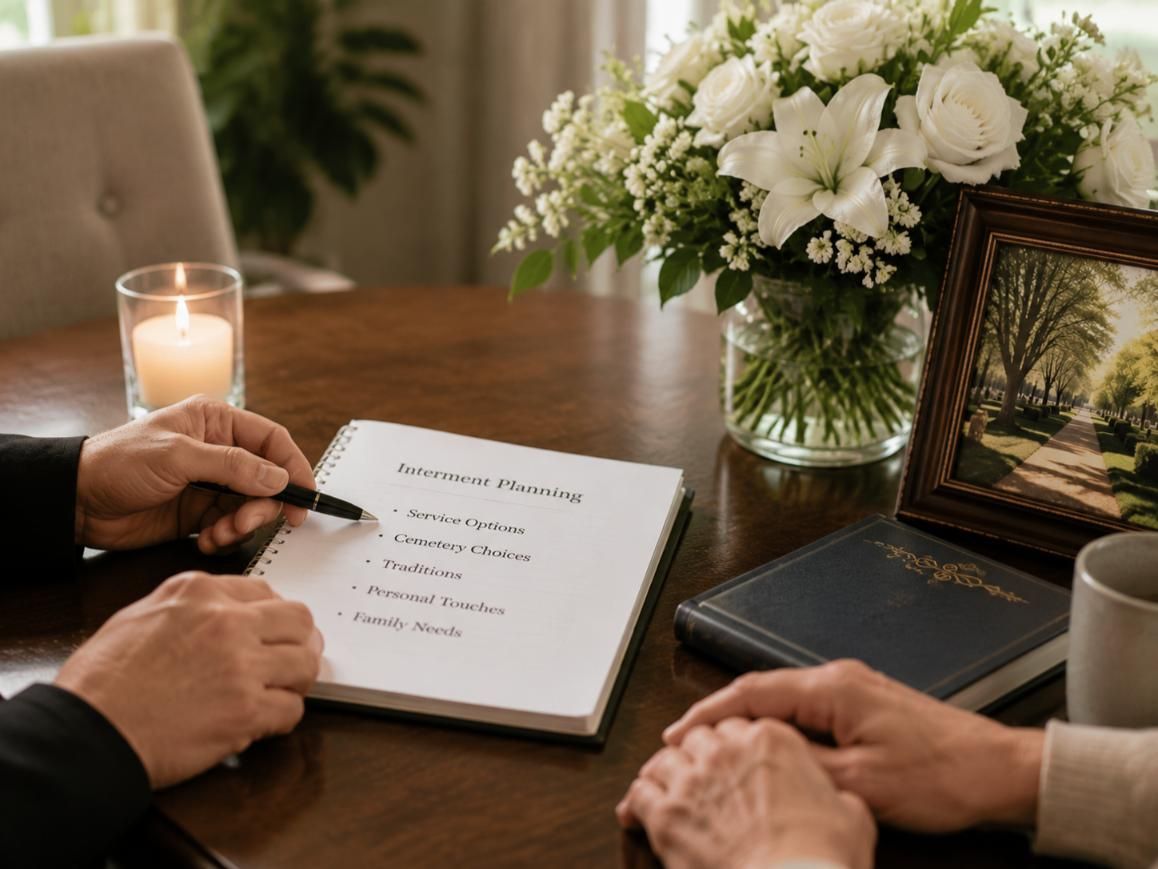
Families also want to know what to bring to the arrangement meeting. A short list often helps:
- Basic personal information for the obituary and certificates
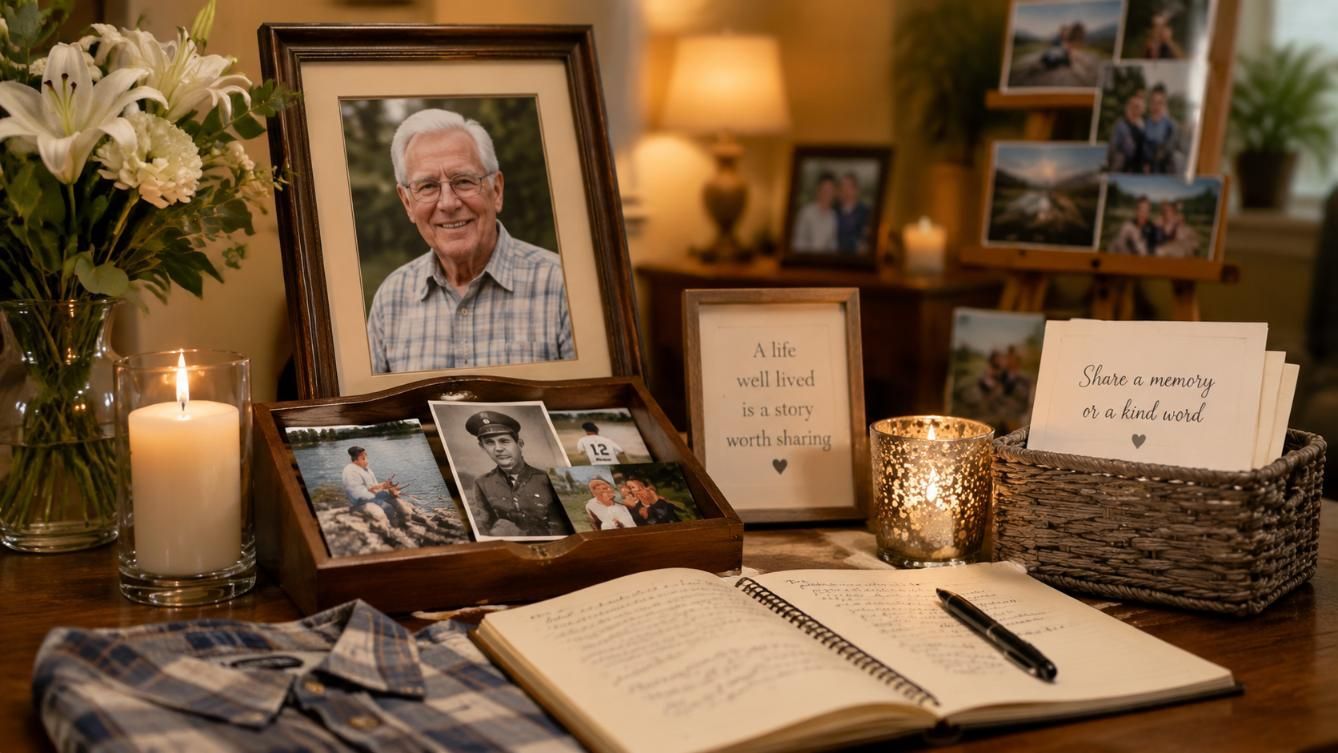
- Clothing, photos, or keepsakes for the tribute
- Names of relatives or friends who should be included in planning
These details do not have to be perfect on day one. We can gather what we have, identify what is still needed, and keep the conversation manageable instead of making it feel like everything must be solved at once.
Does the Service Have to Follow a Set Format?
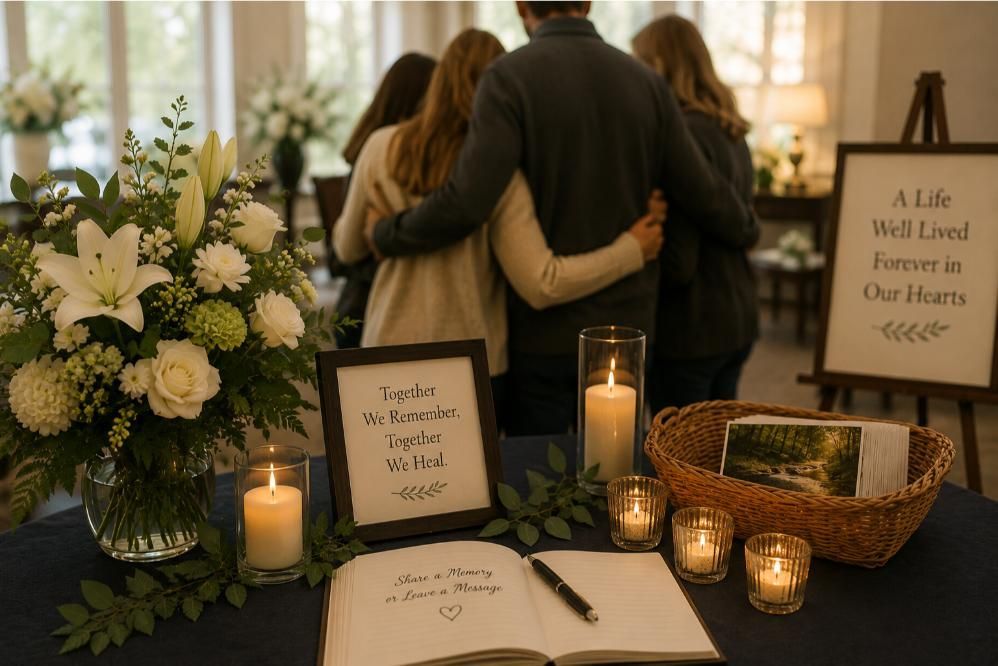
Another frequent question is whether the service has to follow a strict format. It does not. Families often ask if they can include favorite music, memory tables, military honors, faith traditions, or personal readings. In many cases, funeral service options that fit the life being remembered help us see that a service can be traditional, simple, or highly personal without losing dignity. The goal is not to follow a script. It is to create a gathering that feels sincere and supportive.
How Fast Do Arrangements Move?
Timing is another area where questions come quickly. Families want to know how soon decisions must be made, how long paperwork takes, and what happens between the first call and the day of the service. Those are wise questions, because understanding the sequence lowers anxiety. We often find that knowing what to expect when visiting a funeral home helps people walk into the arrangement conference feeling less unsure and more prepared to talk through each step.
What Happens After the Service?
Many people also ask what happens after the service is over. That is a relief for people who worry that all guidance stops once the ceremony ends. Support often continues well beyond the day of the gathering. Families may need help with follow-up tasks, grief resources, or planning conversations for the future. Some of the most common post-service question and answers include:
1. What paperwork should we keep together?
After a funeral service, keep all important documents together in one safe place, including the death certificate, funeral home contract, burial or cremation paperwork, obituary copies, and any receipts or invoices. It is also helpful to keep insurance policies, the will or trust, Social Security information, and cemetery or urn records nearby for any next steps or legal matters.
2. How do we help children understand what happened?
Be honest and use simple, age-appropriate language when explaining that someone has died, avoiding phrases that may confuse children like “went to sleep” or “passed away.” Let them ask questions, share their feelings, and reassure them that it is okay to feel sad, confused, or even upset while reminding them they are safe and supported.
3. When should we begin preplanning our own wishes?
The best time to begin preplanning your own wishes is as soon as you feel ready, since it allows you to make thoughtful decisions without added stress or urgency. Preplanning early can also ease the burden on loved ones and ensure your preferences are clearly understood and documented.
These are thoughtful questions and asking them early can prevent extra stress later.
At McCullough Funeral Home, we believe questions are not interruptions; they are part of good care. A funeral director should make families feel informed, respected, and steadier with each conversation. When we understand the process and know what to do when a death occurs, we can make clearer decisions and give more attention to the life being honored. That kind of guidance can lighten the weight families carry in the first few days after a loss. For families comparing funeral homes Warner Robins, GA, professional advice is just a call away at 478-953-1478, and knowing your options early can make every next step feel more manageable, personal, and grounded.